
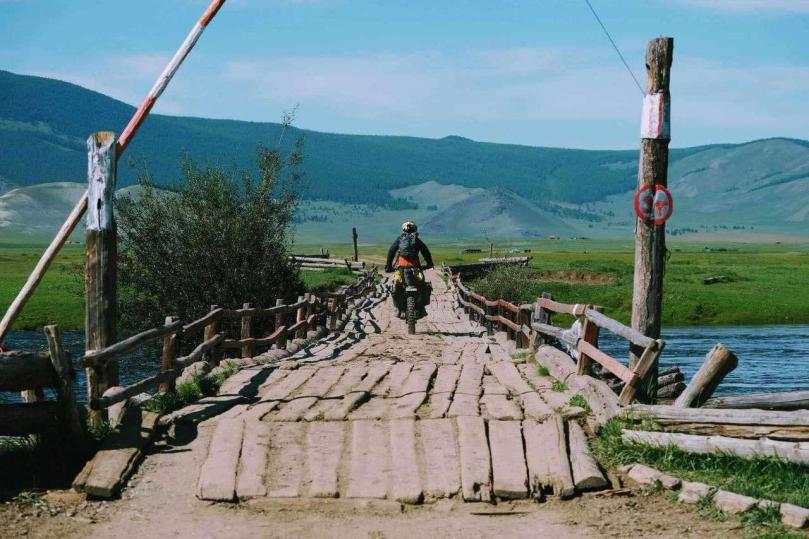
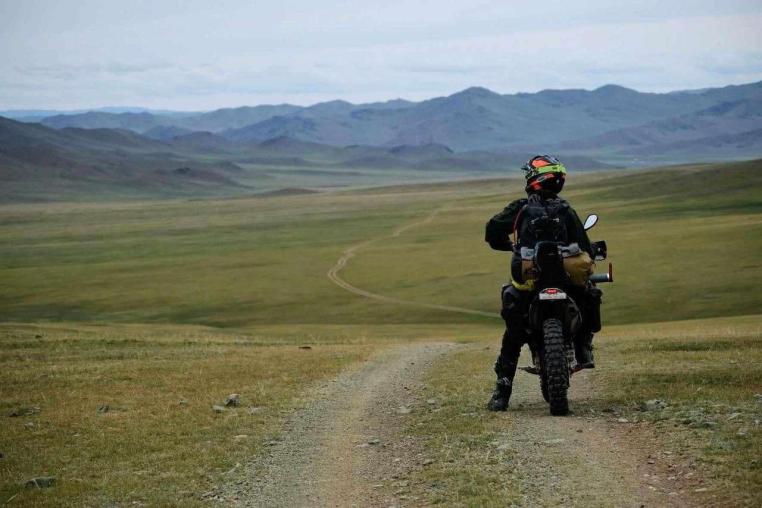
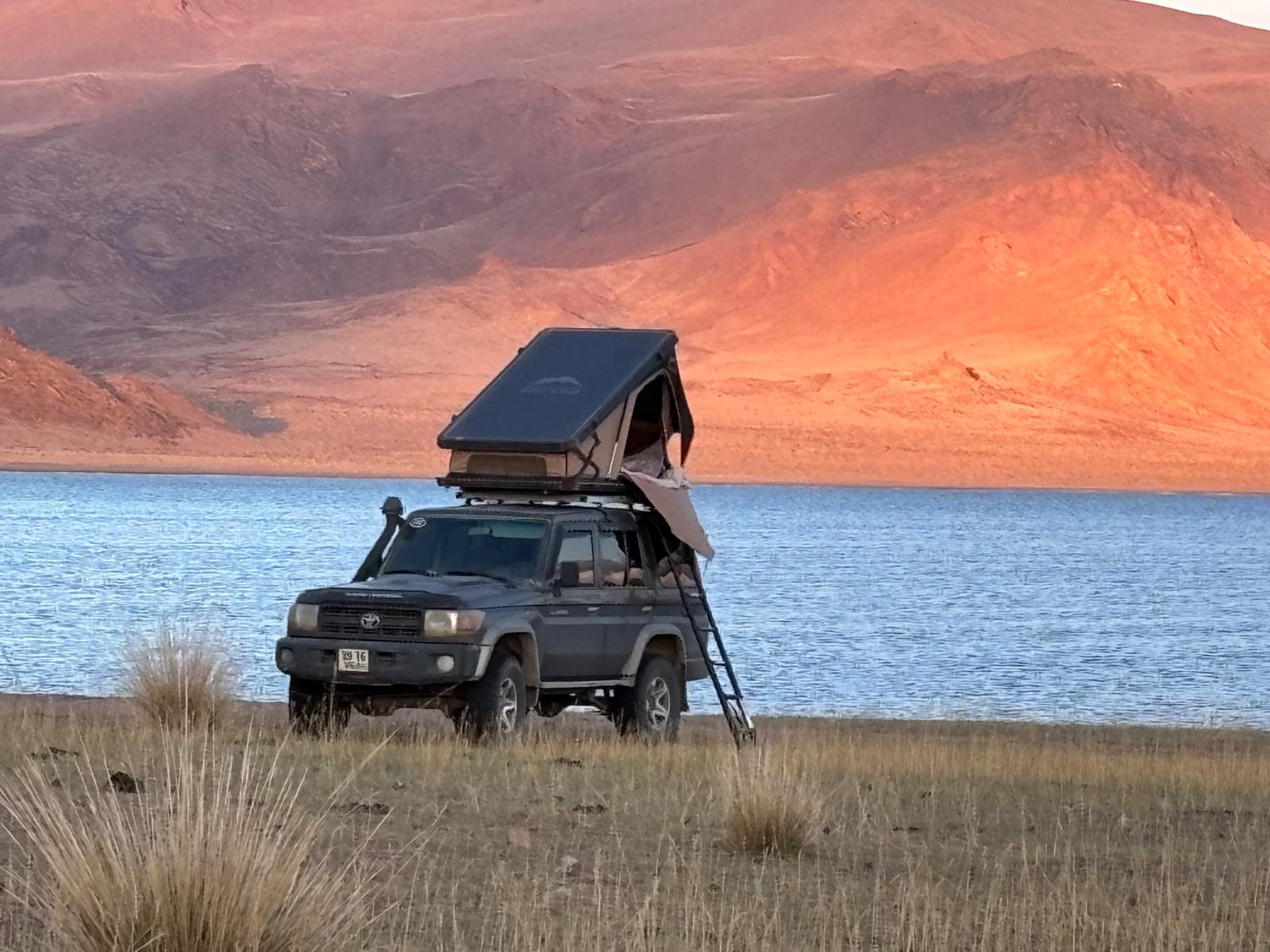
- This 12-day expedition traces Mongolia’s dramatic arcs—from the Gobi’s amber dunes and dramatic canyons to the lush, windswept north. You’ll ride camels across sweeping sands, sleep in a ger under a sea of stars, meet welcoming herder families, and explore ancient monasteries and sacred sites. The journey blends stark desert beauty with green steppe and pristine lakes, offering a profound look at a land where time seems to move at a different pace. It’s less about ticking off sights and more about feeling the rhythm of nomadic life, watching nature shift with every mile, and returning home with a new sense of scale and wonder.
Trip Info
-
Content
-
Content
-
Content
Itinerary
The Gobi is a living tapestry that unfolds with every mile — canyons carved by wind and water, rugged rock formations that whisper ancient stories, and a surprising biodiversity tucked into the desert plains. This is the Gobi Gurvan Saikhan National Park — often called The Three Beauties of the Gobi — where three mountain ranges rise up like sentinels and become home to wild Argali sheep, Ibex, and, in the colder months, even the elusive snow leopard.
Tsagaan Suvarga, meaning White Stupa, rises dramatically from the Gobi’s flat horizon—a natural monument carved by wind and water over millions of years. It isn’t man-made but a sculpted cliff formed from layers of clay and limestone that record a time when this region was the bed of an ancient sea. The cliffs reach up to 30 meters in height, creating a striking contrast with the surrounding desert plain. The color story is one of Tsagaan Suvarga’s most captivating features: bands of white, pale yellow, earthy red, and soft pink that glow as the sun moves across the sky. Early morning and late afternoon light are especially magical, softening the edges and making the hues shimmer with a gentle, almost otherworldly radiance. From the viewing area or a short approach path, you can take in sweeping views across the rugged outcrops and the endless steppe beyond. Because the landscape is exposed and winds can be strong, wear sturdy footwear, carry water, and stay on designated paths to protect the site. A stop here adds a quiet, awe-inspiring pause to a Gobi itinerary, offering a memorable moment to absorb the scale and color of Mongolia’s desert heart.
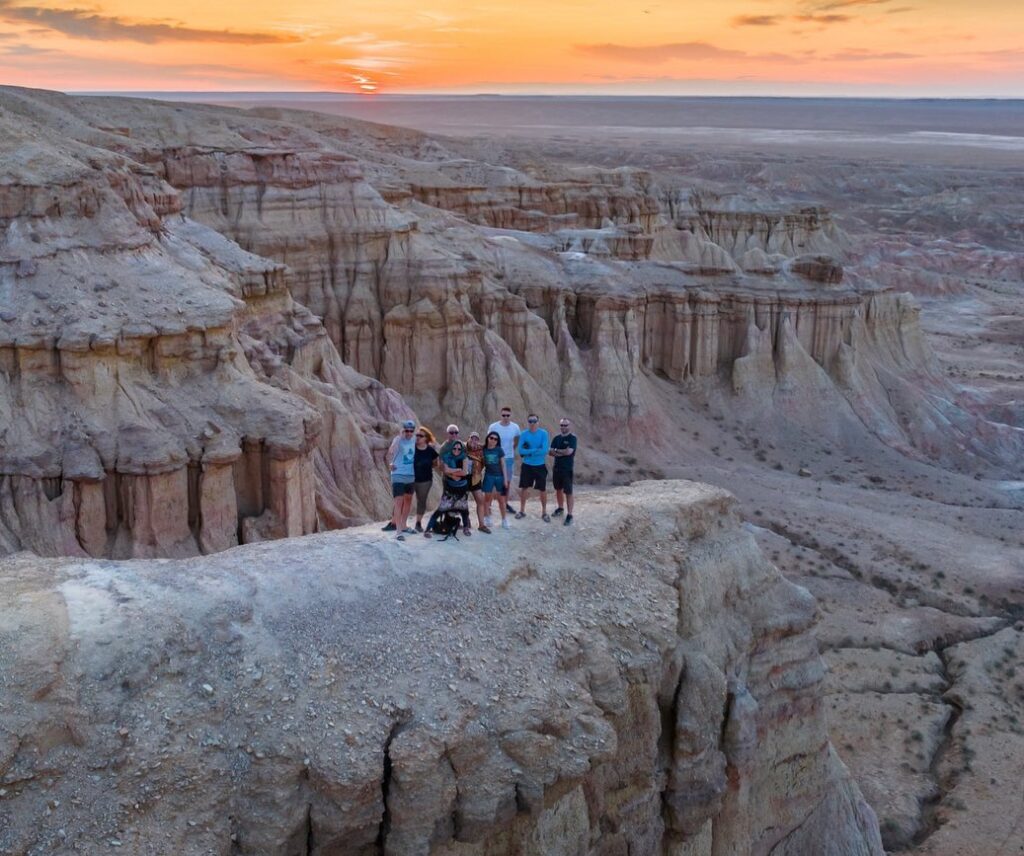
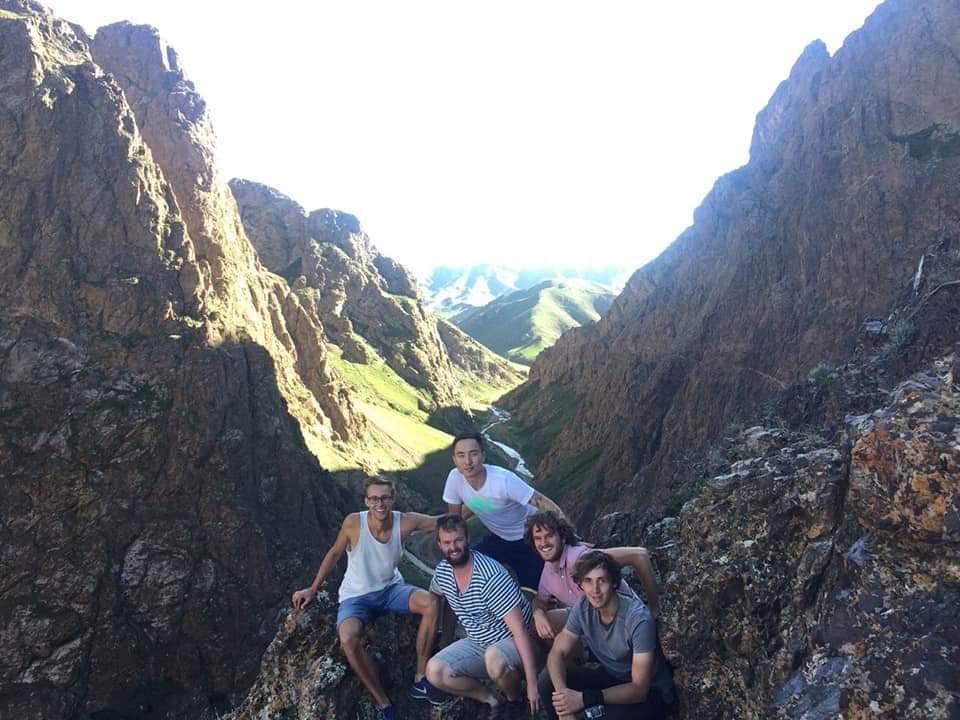
Yolyn Am Gorge, also known as Yol Valley, is a dramatic limestone canyon in the Gobi region within Gurvansaikhan National Park, part of the Gobi Gurvan Saikhan complex in central-southern Mongolia. The highlight is the seasonal ice that clings to the shaded walls and canyon floor in spring and early summer, creating a striking contrast with the sunlit desert outside. The canyon itself is relatively short with steep walls and a walkable path that offers sweeping views over the red and tan badlands. Wildlife in the surrounding area includes Argali sheep and Ibex, while raptors and desert-adapted birds add life to the scene.
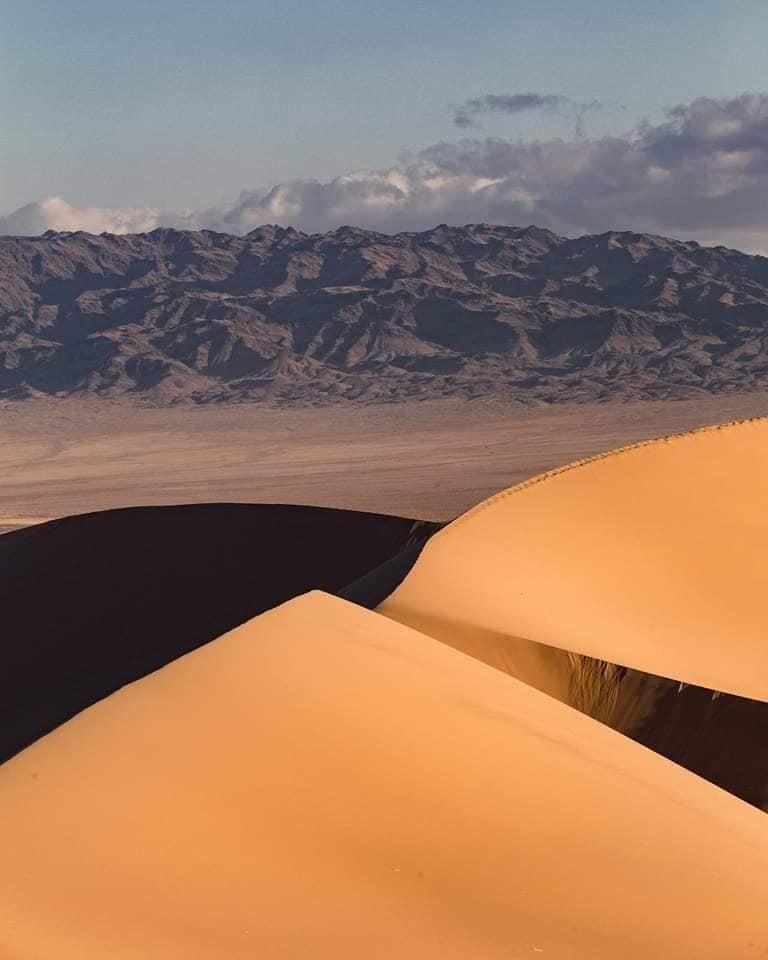
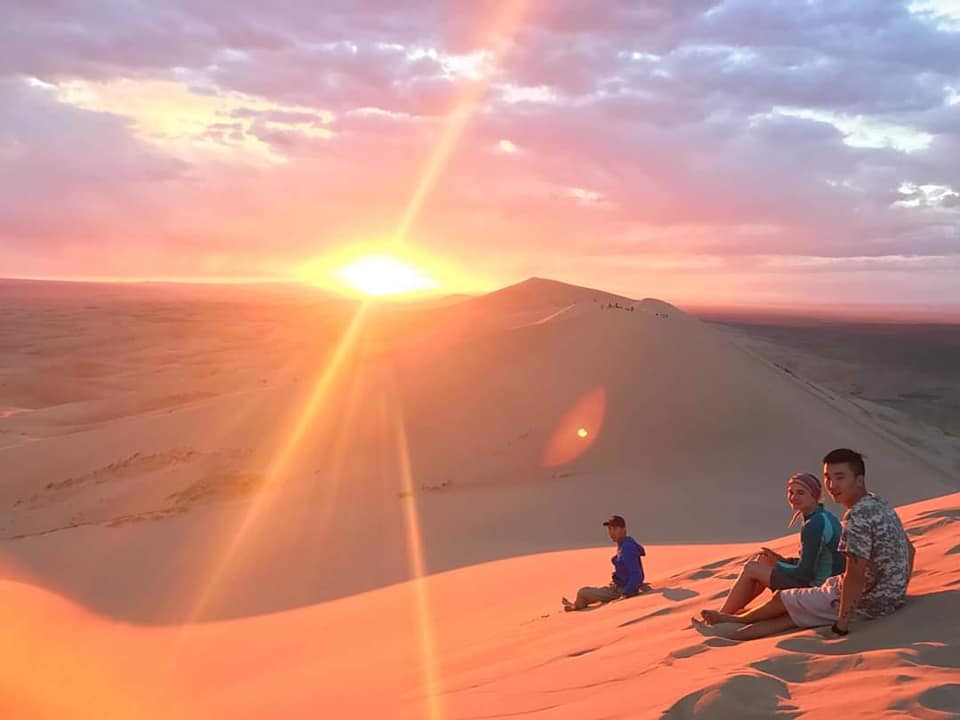
Khongoryn Els, popularly known as the Singing Dunes, is Mongolia's iconic dune field in the Gobi Desert. It spans roughly 12 kilometers along the desert floor and rises up to about 80–100 meters at its highest crest, creating a sweeping, wind-carved landscape. Located in the Gobi region, it's a staple stop on many Gobi itineraries, often combined with Yolyn Am Gorge and the Flaming Cliffs. The dunes are aptly named for the low-frequency sound the wind makes as it moves sand grains, a natural phenomenon that echoes across the plain. We will ride camels along the base, and hike to the dune crests for panoramic views over the red and gold desert.
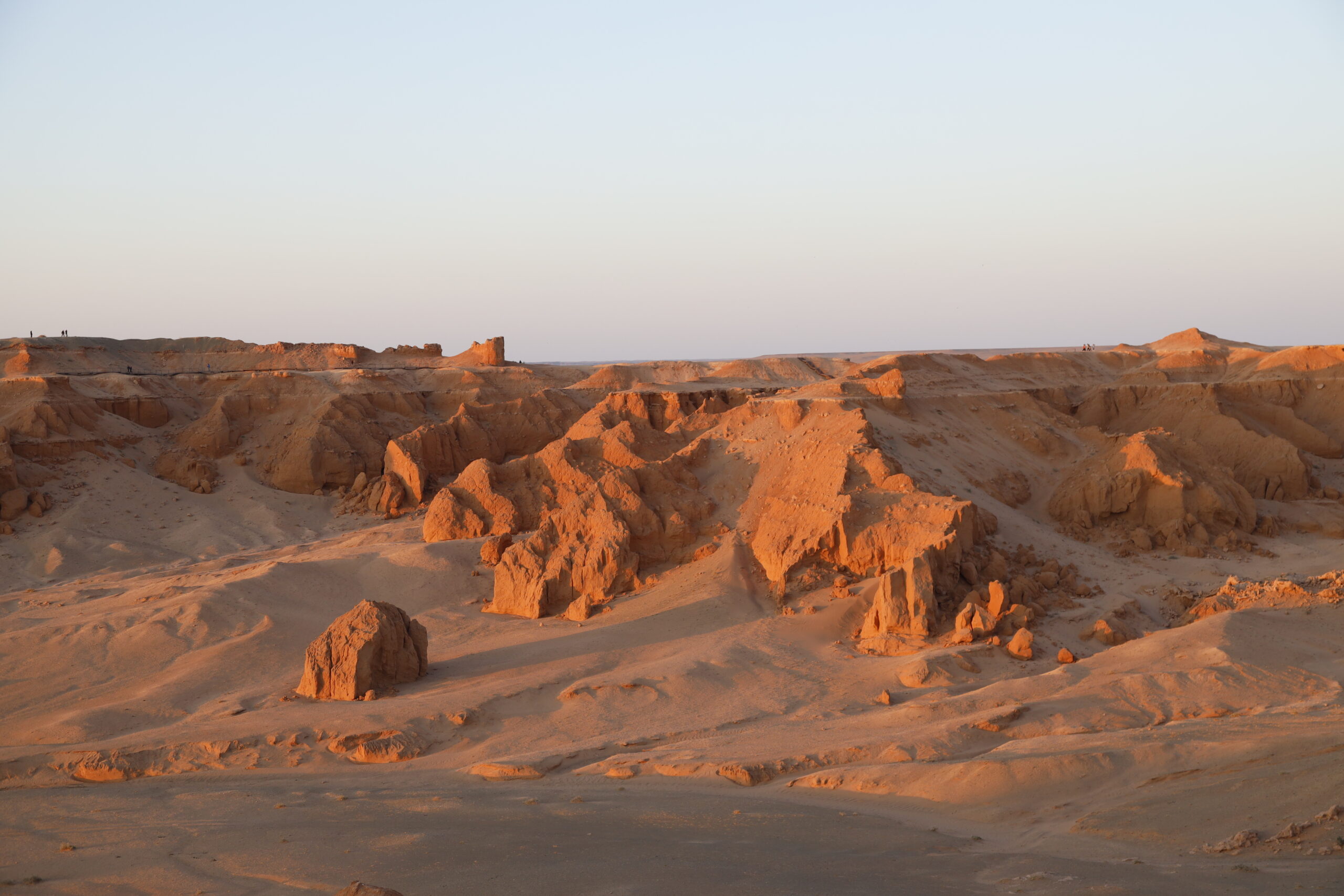
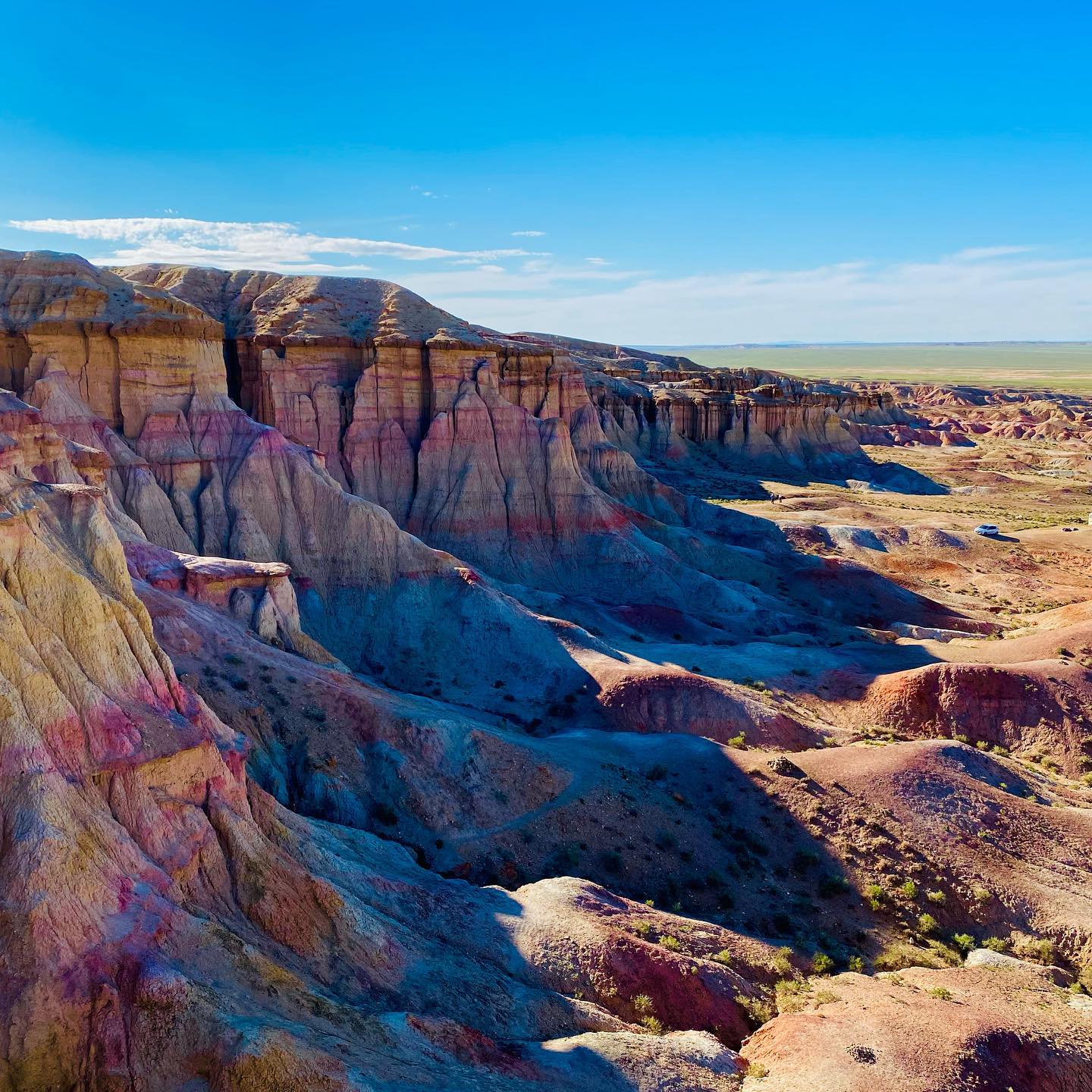
Flaming Cliffs, also known as Bayanzag, sit in the southern Gobi, where dramatic white-red cliffs rise from the dusty plains. The site is famed for fossil finds, including dinosaur eggs and bones of Velociraptor and Protoceratops, making it a cornerstone of Mongolia’s paleontological history. The scenery is striking—orange-red cliffs under a vast blue Mongolian sky, with short, easy walks to fossil-rich outcrops.
Ongi Monastery lies in the Dundgovi region along the Ongiin River. Once one of Mongolia’s largest Buddhist centers, it was largely destroyed in the 1930s, leaving behind crumbling walls, stupa mounds, and peaceful courtyards. Today visitors can explore the ruins, reflect on Mongolia’s religious heritage, and see nearby reconstruction efforts that honor the site’s history. It pairs well with desert stops on a Gobi itinerary, offering a cultural balance to the red cliffs and dunes.
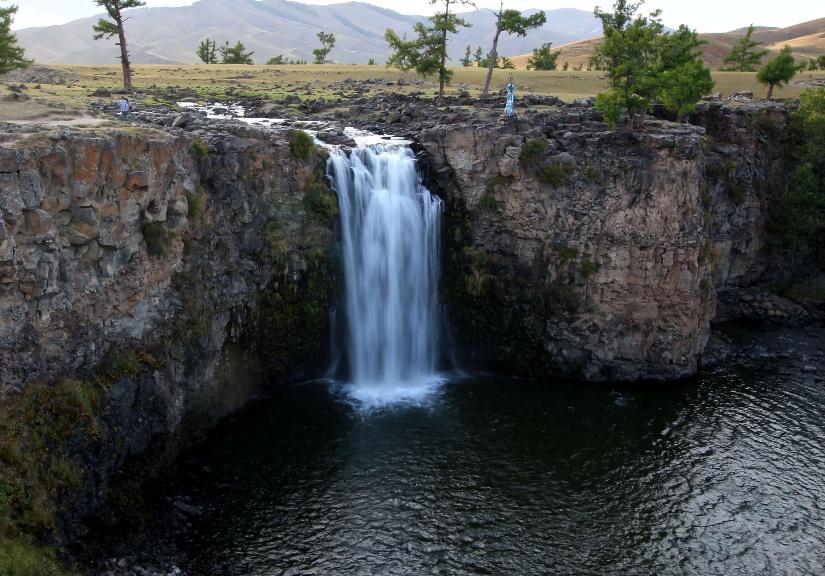
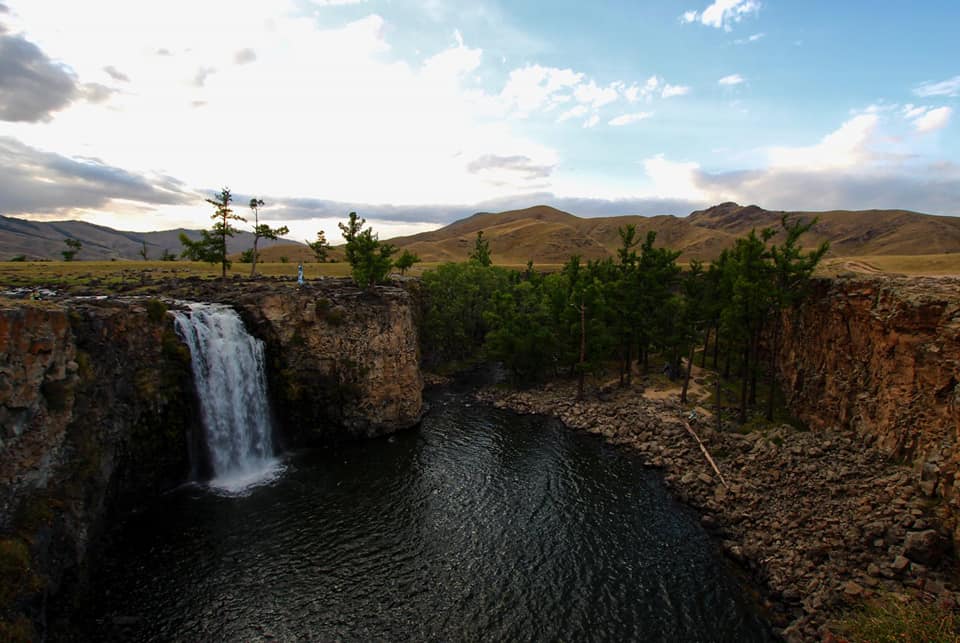
Orkhon Valley is a UNESCO World Heritage Cultural Landscape in central Mongolia, tracing the course of the Orkhon River. It’s famed for its rich history, including the ancient Mongol capital Karakorum and the nearby Erdene Zuu Monastery, symbols of Mongolia’s Buddhist and nomadic heritage. The landscape blends wide grasslands, forested riverbanks, and traditional nomadic camps that give you a window into enduring Mongolian life. A standout sight is the Orkhon Waterfall, a scenic cascade on the river that rises about 20 meters tall and drops through a broad, open basin. The falls are popular for short hikes, scenic viewpoints, and peaceful riverside picnics. Archaeological sites and ruins—traces of Karakorum-era settlements—dot the valley, adding a rich historical layer to the visit.
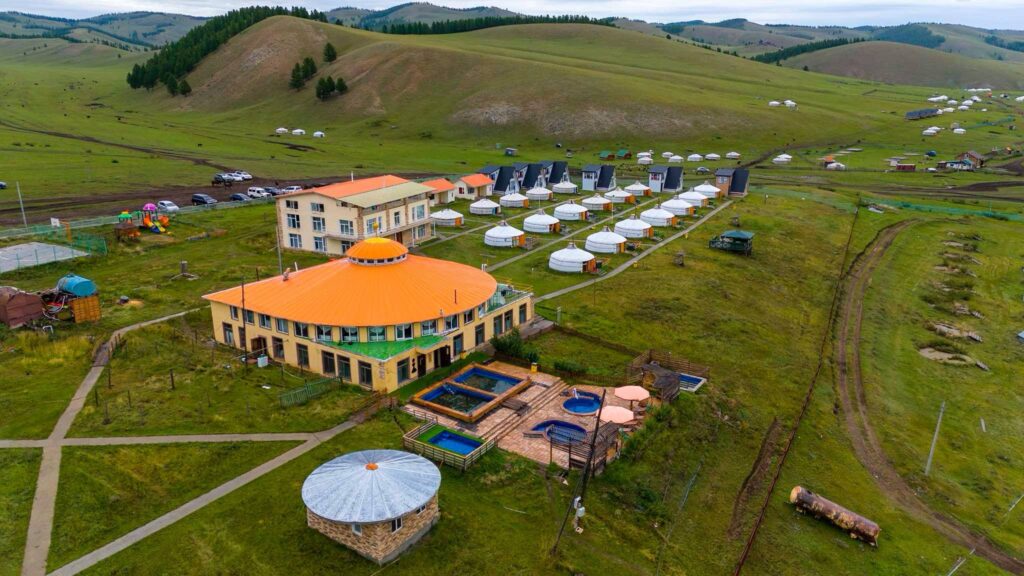
The permafrost of the central Mongolian forest causes several hot springs in the region and out of those, Tsenkher hot spa has the best facilities so far. The drive to the spa passes through river valleys that decorated the natural paintings of many and known for the edelweiss covered hills, wild berries, and crisp blue lines of the rivers. The spa itself is famous for its rich minerals and will effectively glow your hair and skin, cleaning out the traces of adventurous trip. The ger camps offer massages and spa services.
White Lake, also called "Therkiin tsagaan nuur", is nestled in the mountains of Khangai to 2,060 m. It measures 16 km wide and 20 km long, and its waters are of exceptional purity.
It is the heart of a protected area for its biodiversity, as diverse ecosystems cohabit: taiga (boreal forest), mountain steppe and wetlands supporting a rich fauna.
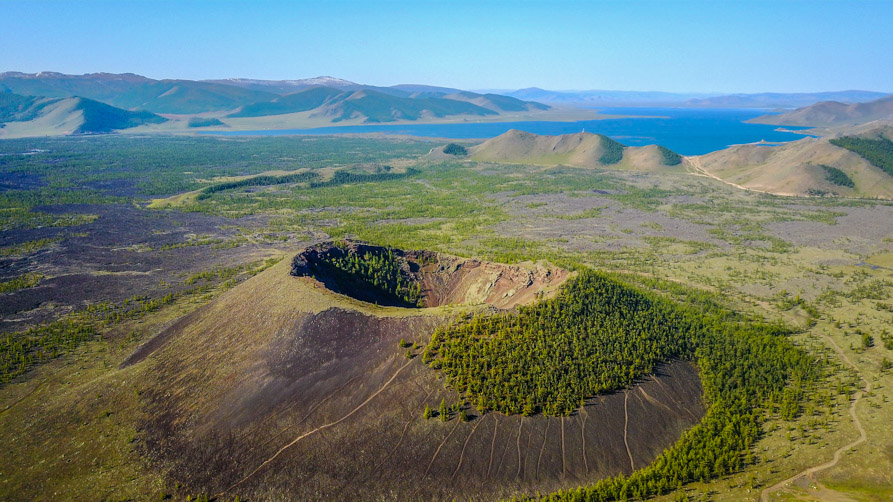
East of Terkhiin Tsagaan Nuur Lake is the extinct crater of the Khorgo volcano, which is responsible for the birth of the lake as the lava blocked the flow of a river, creating a natural dam.
The Khorgo volcano is located at an altitude of 2200 meters, its slopes are covered with basalt and its crater forms an almost perfect cone of 200 meters in diameter and 100 meters deep.
Its last eruption was 8000 years ago, it was the last active volcano in Mongolia.
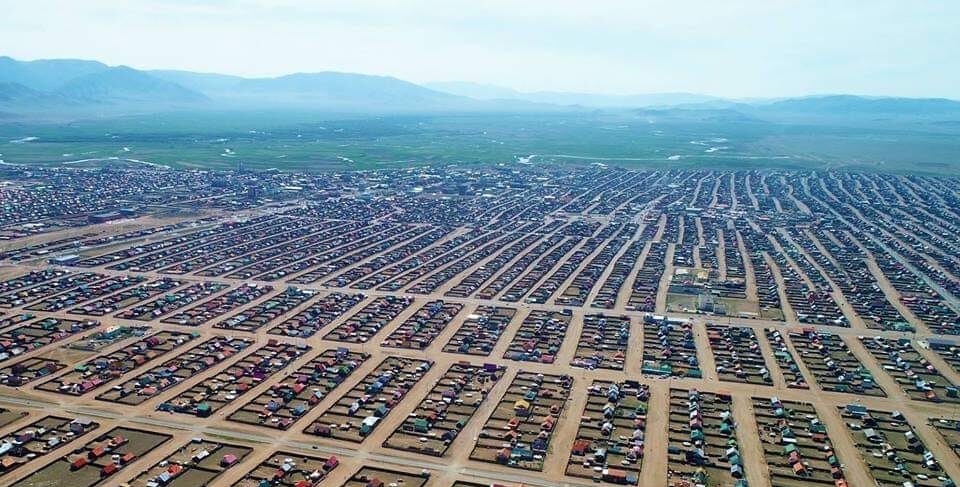
Mörön is the administrative heart of Khövsgöl Province and a natural base for exploring Mongolia’s northern lakes region. The town offers a relaxed atmosphere, a lively market, and friendly locals. From Mörön you can arrange day trips to Lake Khövsgöl and nearby monasteries, or take short hikes along the surrounding hills. It’s a practical, comfortable stop that blends everyday life with easy access to pristine scenery and nomadic hospitality. In the evening we will check inti Thenkhleg hotel and have well deserved 3 star hotel rooms and have dinner at the first floor restaurant
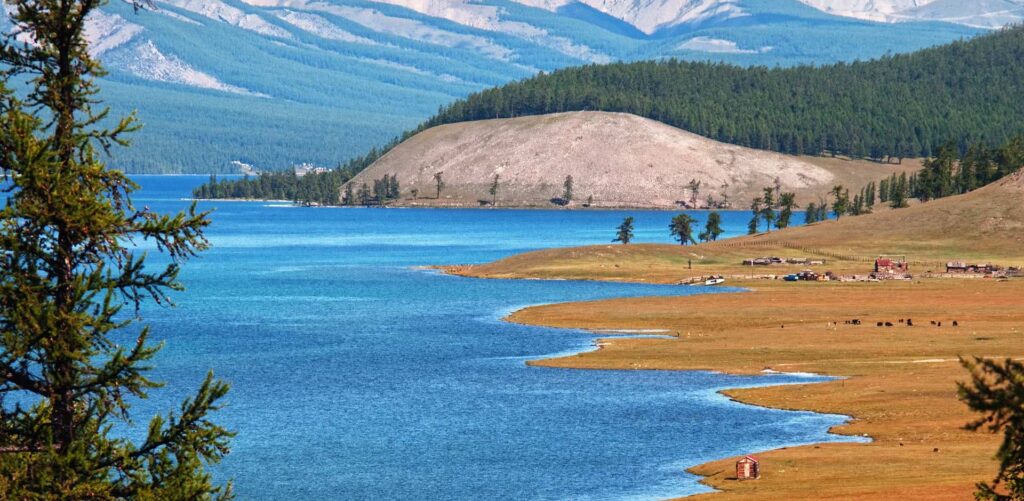
Khövsgöl lake, Mongolia’s northern jewel. Set among towering pines and rolling hills, this vast freshwater lake feels timeless, a mirror held up to the sky. The air is cool and clear, carrying the scent of spruce and the faint tang of the lake. Stroll along the shore at a gentle pace, watch local families fish from wooden boats, or hop aboard a short boat excursion to skim across the deep blue surface. The lakeside villages and ger camps offer warm hospitality—tea, dairy treats, and stories that reveal northern life as a quiet, ongoing celebration of nature. On clear mornings, the water reflects an impossible, crystal-blue quiet; at sunset, the horizon glows with pinks and golds as light plays on the pine-framed shoreline. Moron serves as your practical gateway, with markets and cafes where you can sample local foods before venturing deeper into the forested lake country. This stop blends restorative stillness with easy access to Mongolia’s northern landscapes, a perfect pause before your journey continues into the lake’s many secrets.Khövsgöl Nuur, Mongolia’s northern jewel. Set among towering pines and rolling hills, this vast freshwater lake feels timeless, a mirror held up to the sky. The air is cool and clear, carrying the scent of spruce and the faint tang of the lake. Stroll along the shore at a gentle pace, watch local families fish from wooden boats, or hop aboard a short boat excursion to skim across the deep blue surface. The lakeside villages and ger camps offer warm hospitality—tea, dairy treats, and stories that reveal northern life as a quiet, ongoing celebration of nature. On clear mornings, the water reflects an impossible, crystal-blue quiet; at sunset, the horizon glows with pinks and golds as light plays on the pine-framed shoreline. Moron serves as your practical gateway, with markets and cafes where you can sample local foods before venturing deeper into the forested lake country. This stop blends restorative stillness with easy access to Mongolia’s northern landscapes, a perfect pause before your journey continues into the lake’s many secrets.
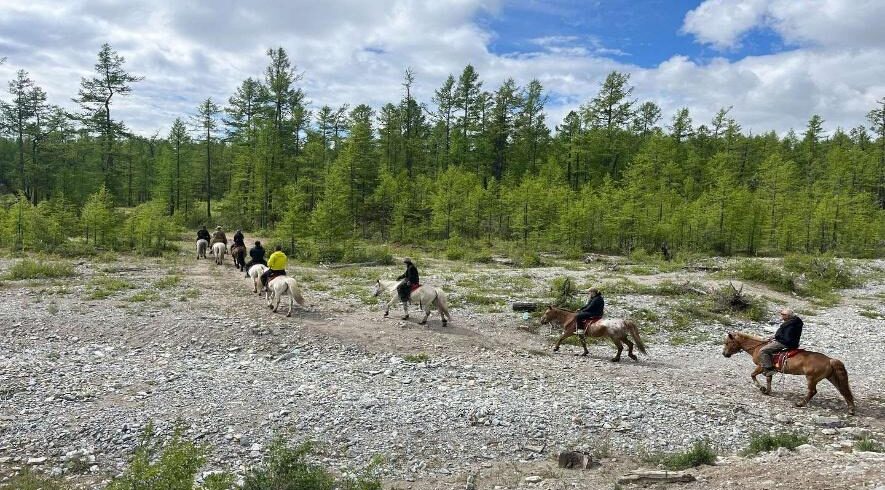
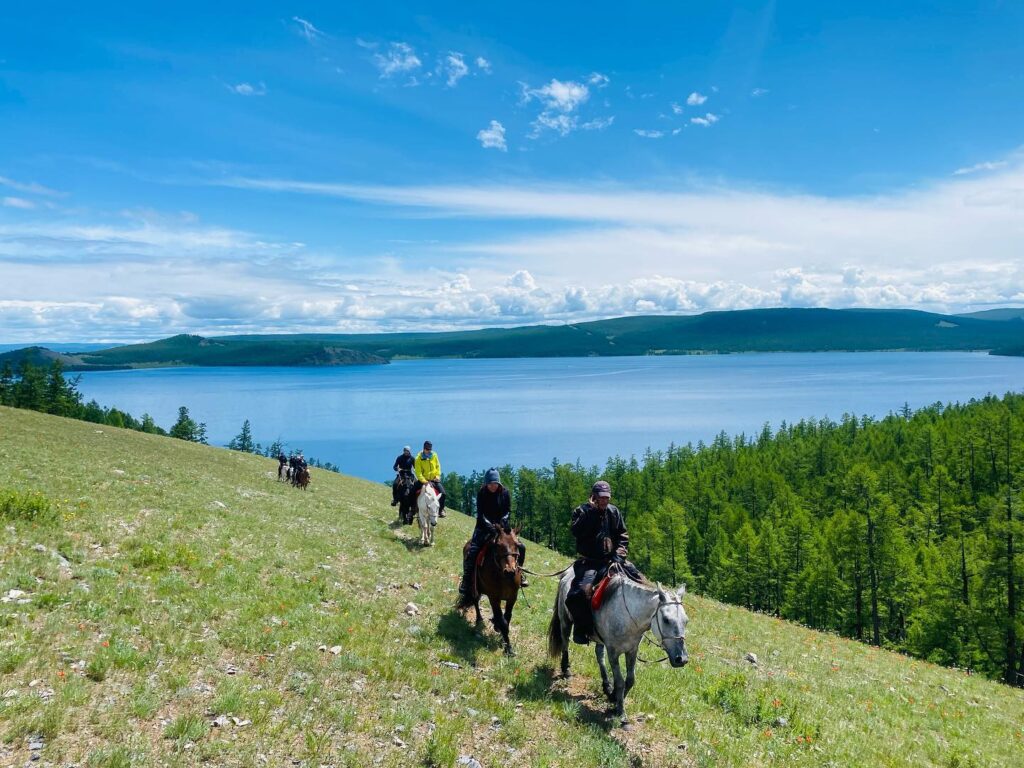
A day of gentle exploration and northern horizons. Begin with a relaxed lakeside hike along the lake area, weaving through spruce forest and open shorelines. The trail offers easy elevation, tranquility, and chances to pause for reflections on the crystal-clear water and the pine-swept hills that frame the lake. After lunch at a lakeside ger camp or a simple local cafe, swap footpaths for the saddle: a short, scenic horse-riding excursion along meadow and forest trails, suitable for all levels with a guiding hand to pace you. In the afternoon, embark on a serene boat ride across the deep blue to a small rocky island in the lake (often referred to locally as a “Stone Island”). Pause on the shore for photos, take in sweeping views back to camp and the surrounding forests, and savor the quiet rhythm of the north as light softens toward evening. Return to your base with a refreshed spirit and a fresh sense of Khövsgöl’s serene beauty.
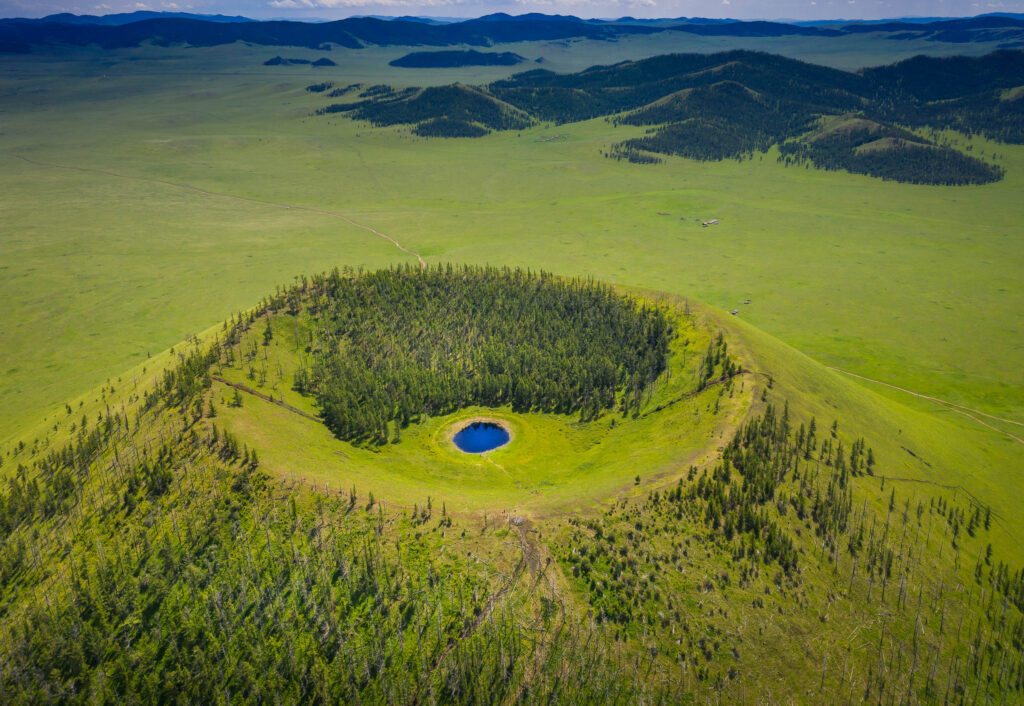
Located in Bulgan Province in northern Mongolia, Uran Togoo is one of the country’s most accessible extinct volcanoes. Its near-perfect cone rises from open steppe and forested hills, crowned by a crater lake that shines with a emerald-blue hue on clear days. This geologic gem sits within the Uran-Togoo Tulga Nature Reserve, protecting its stark cone, crater, and the surrounding landscapes that stretch across rolling grasslands and distant ridges. The name Uran Togoo—literally “pot” or “kettle” in Mongolian—hints at its classic, kettle-shaped crater. Visitors typically hike to rim viewpoints for sweeping panoramas, photograph the dramatic contrast between crater and plain, and take in the quiet, timeless atmosphere of the site. Wildlife and birds of prey may be spotted circling overhead, adding to the sense of the region’s wild, open beauty.